North Central Province, Sri Lanka
Polonnaruwa
Explore the Grandeur of a Forgotten Kingdom
- Best time
- May to September
- Ideal stay
- 1-2 Days
- Travel style
- Culture & Heritage
Updated 1 min read
Following the fall of the Anuradhapura Kingdom in 993 AD, the Ancient City of Polonnaruwa served as Sri Lanka’s second royal capital for three centuries, from the 11th to the 13th century.
Located in the North Central Province, Polonnaruwa was designated a UNESCO World Heritage Site in 1982 in recognition of its extraordinary archaeological significance, regal architecture, and advanced hydraulic engineering.
King Vijayabahu I established Polonnaruwa as the capital after defeating Chola invaders in 1070 to restore native rule. However, it was during the reign of King Parakramabahu the Great (1153–1186) that the kingdom reached its Golden Age. Driven by his famous decree that no drop of rain should flow into the ocean without serving man, he built vast irrigation networks and massive man-made reservoirs that resembled inland seas, earning Sri Lanka the title "Granary of the Orient." The largest of these lakes, the Parakrama Samudra (Sea of Parakrama), continues to supply vital water for agriculture to this day.
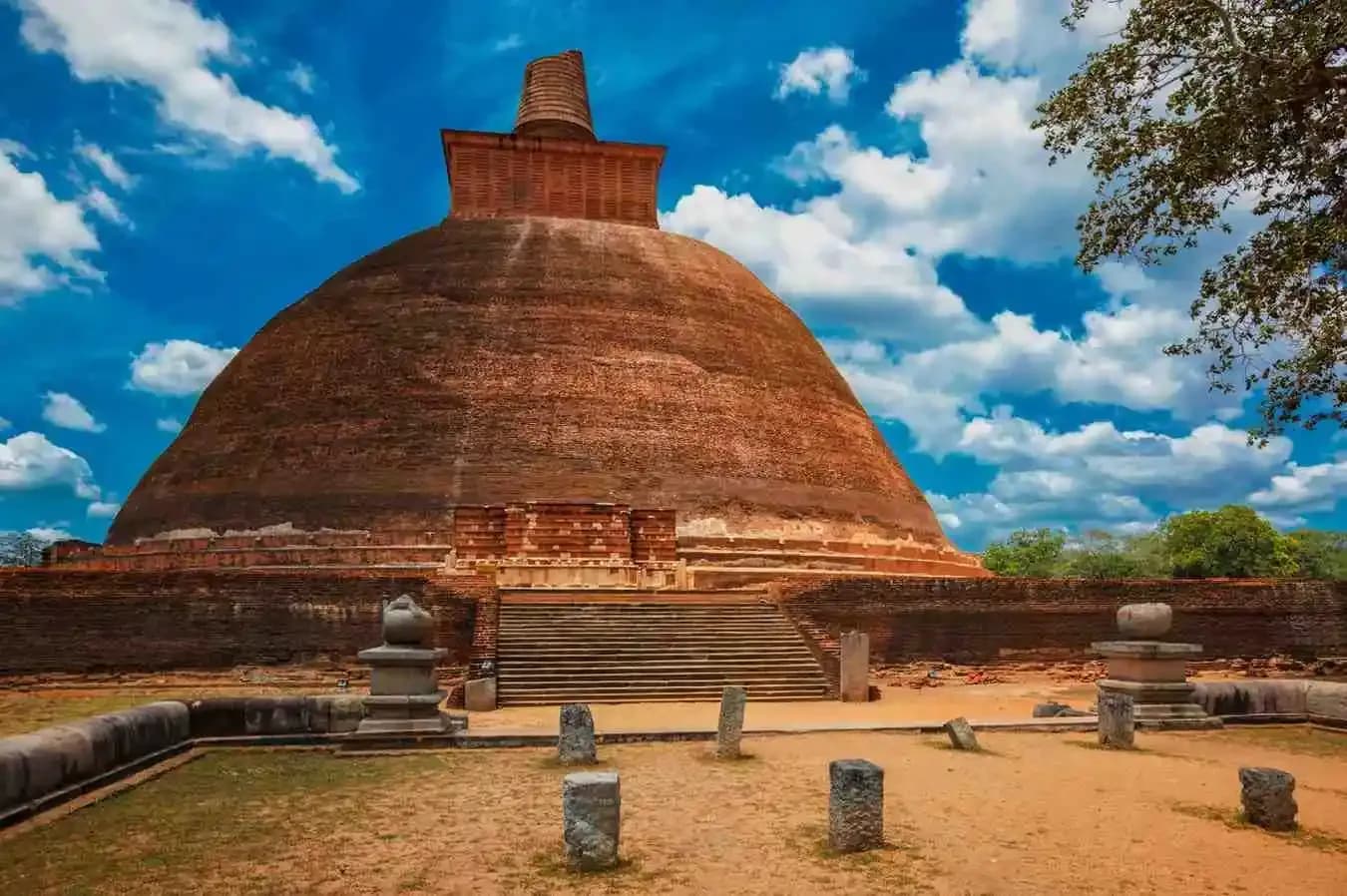
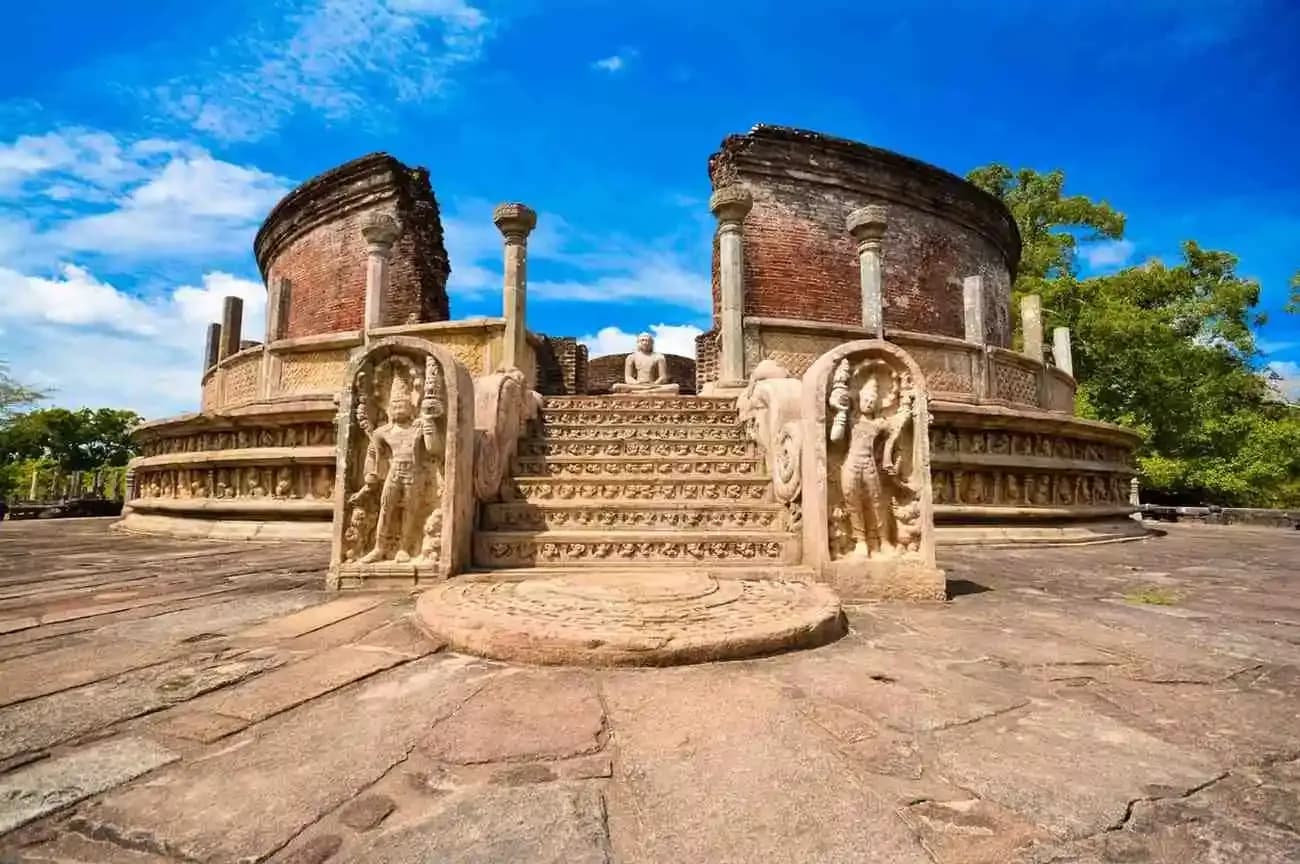
Today, exploring the ruins of King Parakramabahu's realm stands out among the top things to do in Polonnaruwa. The ancient city remains one of the most meticulously preserved archaeological parks in Sri Lanka, showcasing the grandeur of royal palaces, intricate stone carvings, audience halls, and majestic Buddhist shrines like the Gal Vihara. Visiting these well-preserved Polonnaruwa tourist attractions allows travelers to step back in time and marvel at the technological brilliance and artistic mastery of Sri Lanka's classical era.